Proper reconstruction, repair and maintenance of the pitcher’s mound is presented as critical for baseball and softball field safety and playability. Jeff Langner of Profile Products/Turface® Athletics explains how the mound and batter’s box take the most wear, requiring frequent repairs using the right clay products and basic tools. The article outlines a simple post-game routine with Turface Mound Clay or MoundMaster® blocks, emphasizes checking mound measurements during work, and recommends using high-density clay in the top 2.5 inches. It also compares Professional and All-Purpose mound clays and highlights a growing industry commitment to higher-quality mound materials.
Key points:
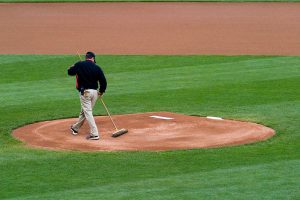
- Pitcher’s mounds and batter’s boxes receive the most wear on ballfields, so frequent reconstruction and proper maintenance are essential for a safe, playable mound.
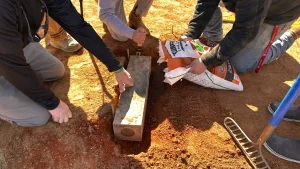
- Turface recommends routine post-game repairs: sweep away loose material, loosen and lightly water worn spots, add mound clay or MoundMaster blocks, tamp firm, re-moisten, level high areas, then tarp.
- Turface MoundMaster blocks and Professional mound clay, made from the same virgin clay, form the key top 2.5 inches of the mound to provide high-density, high-durability footing and reduce hole digging.
- All-Purpose mound clay, with higher sand content, is designed for mounds that don’t get regular tarping or irrigation and offers a more forgiving surface, especially in hot, dry climates as more facilities invest in quality clays.