Are you planning on heading out into your landscape or garden this month? Not sure what to plant? October is when we start to see the weather in our great state finally begin to show a little bit of change. We start to drop out of the daily soaking rains, to a drier pattern. With cooler mornings and evenings, with very dry, hot afternoons.
Where you live in our state does change the ideal plants for you, but for the sake of simplification, we have made selections that are universal to the entire state for the month of October.
For The Landscape
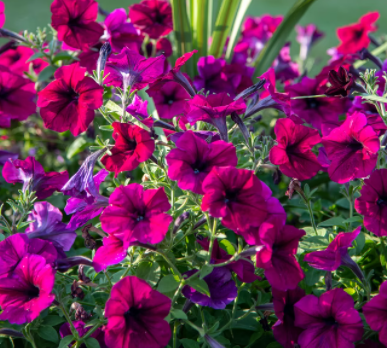
Petunias
Uses: In Florida, petunias are a popular winter annual. Their long flowering period, the wide array of colors and forms available, and the ease with which they grow make them a favorite among gardeners.
Best Variety/Varieties For Florida: Many
Soil: Topsoil and Florida Sandy Soil Mix
Light: Full Sun
Water: 1 to 2 inches of water every 7 to 10 days
Fertilizer: Nutricote® 18-6-8 or FlorikanCRF® 16-5-11 NPK MAX
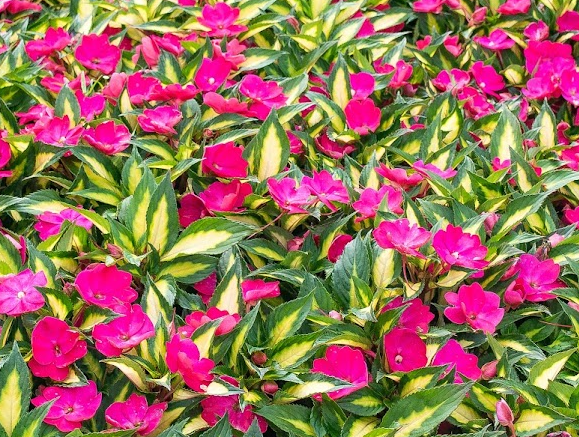
Impatiens
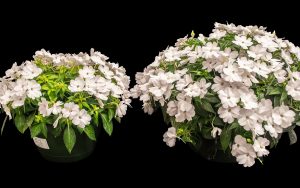
Uses: Impatiens can be used in a variety of ways in the home landscape. They can be planted in mass plantings in afternoon-shade beds, but are also popular in a wide range of patio containers. They make a perfect choice for brightening up covered porches and other shady areas and are becoming more popular in combination plantings with other annuals. Impatiens can also be grown inside if placed near a window with full sun.
Best Variety/Varieties For Florida: New Guinea Impatiens
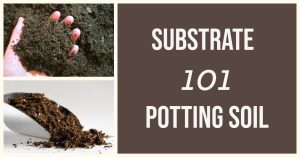
Soil: Potting soil with 30-50% peat moss or compost
Light: Partial sun (4/6 Hours of daily shade)
Water: Consistently moist soil but not soggy
Fertilizer: Nutricote® 18-6-8 or FlorikanCRF® 16-5-11 NPK MAX
For The Edible Gardener
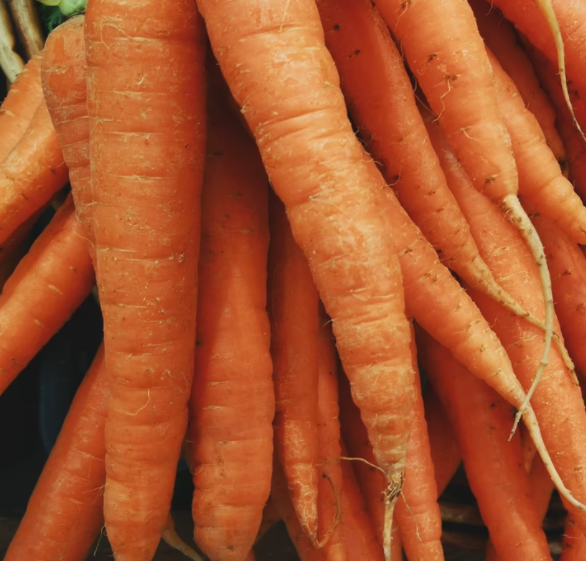
Carrots
Uses: There are thousands of recipes you can make that involve carrots, whether as the main ingredient or a supporting one. These are truly versatile vegetables!
Best Variety/Varieties For Florida: Chantenay Royal, Nantes Half Long, and Imperator 58
Soil: Loose but nutrient-dense, potting soil/topsoil mix is a good choice
Light: Full Sun
Water: Must remain moist for germination, daily watering after
Fertilizer: 0-10-10 or a similar ratio
Harvesting: 70 -120 days after planting
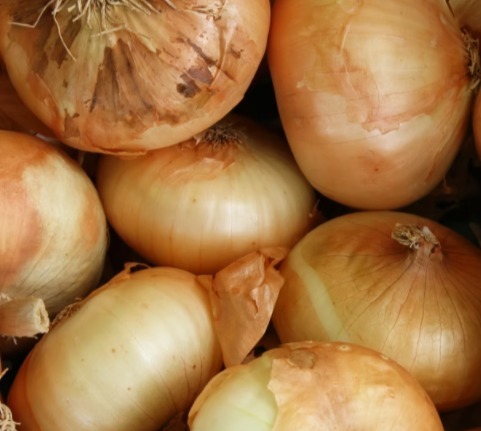
Onions / Shallots
Uses: Onions can be roasted, grilled, pickled, caramelized, battered and deep-fried, sliced thinly or chopped and served raw in salads, sandwiches, dips, or as a garnish for tacos, making them among the most versatile and ubiquitous ingredients in the culinary arts. Shallots are a little sweeter than regular onions and have a more subtle flavor. They are well used in raw applications where you want an oniony flavor without too much punch, such as in salads and vinaigrettes
Best Variety/Varieties For Florida: Bulbing types: Crystal Wax Bermuda, Excel, Granex White,
Granex Yellow, Red Creole – Bunching types: Crimson Forest Evergreen Bunching, White Lisbon – Shallots: Hermine, Matador (ALL SHORT DAY)
Soil: Some amendments (compost or topsoil) but a massive amount is not needed.
Light: Full Sun
Water: Daily Watering
Fertilizer: 16-6-4 or a similar ratio
Harvesting: From the time of planting to fully mature it takes onions about 100 to 130 days to grow.
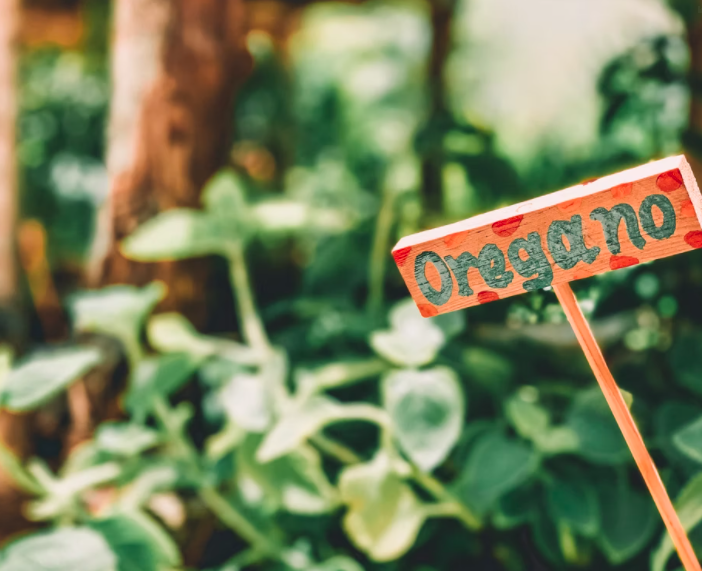
Oregano
Uses: Uses of oregano include tomato-centric recipes, like pizza and pasta sauce, as well as olive oil-based dishes. Oregano is commonly combined with olive oil to create flavorful oregano oil, Italian vinaigrette, and marinades for lamb, chicken, and beef dishes.
Best Variety/Varieties For Florida: Italian, Common, Greek, Cuban
Soil: Needs to remain dry, if planting in-ground, the minimal amendment needed (oregano likes a somewhat sandy soil)
Light: Most oregano varieties need full sun
Water: Water thoroughly only after the soil is dry to the touch.
Fertilizer: 5-10-5 is the ideal mixture (or that same ratio)
Harvesting: Harvest leaves just as flower buds form
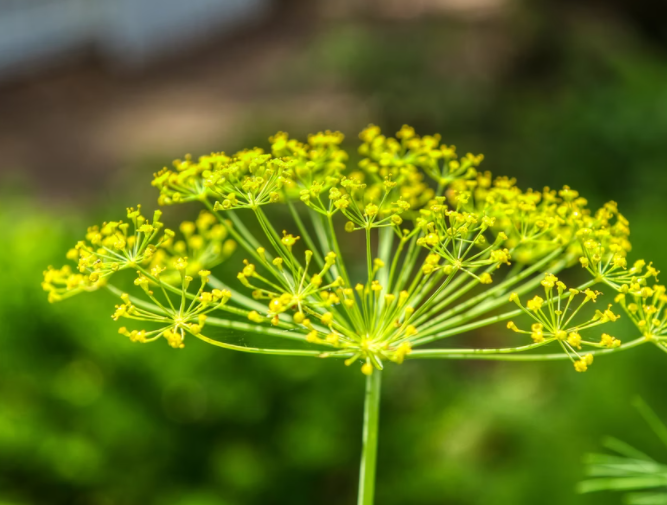
Dill
Uses: Dill has endless culinary uses. It is popular as a garnish because it loses a lot of its flavor when cooked. It is also used in many pickling recipes, and it features a variety of Asian and European cuisines. Dill’s medicinal attributes are attributed to the presence of elements like Vitamin A, folate, Vitamin C, fiber, calcium, and iron.
Best Variety/Varieties For Florida: Long Island Mammoth
Sun: Full Sun
Soil: If planting in-ground, add additional amendments, or compost.
Water: Outdoor pots may need daily watering
Fertilizer: 15-5-10 is the ideal mixture (or that same ratio)
Harvesting: Harvest before flowers appear for the best flavor. Ideally, 90 days post-planting
There are many more options beyond this, and if you’d like to explore more we suggest you check out the following great sources of information: