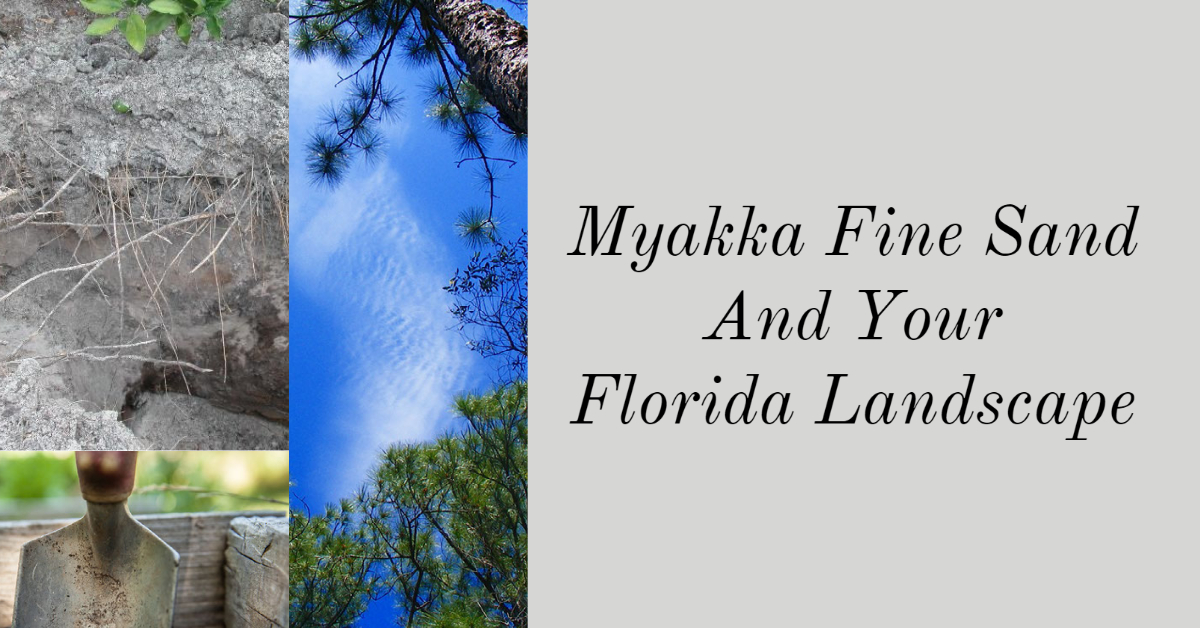
Did you know, in the majority of Florida our soil is called “Myakka Fine Sand”? That’s right, most of the soil in Florida is actually sand! (portions of northern and north-central Florida, have more organic and clay-based sands due to higher elevations and different mineral bases.)
As a home gardener and horticulture enthusiast, this Florida sand can be tough to work with for a few reasons:
1. Water: The water table is very close to the soil itself, promoting the growth of microbial life, fungus, and disease, but not enough to nourish most plants. Also, the soil does not retain water, so frequent watering is required.
2. Nutrients: The same qualities that keep the soil from holding water, also keep it from holding nutrients for very long. Therefore, keeping plants fed can be tricky. A slow or controlled release fertilizer is a must to ensure the soil will not wash away the nutrients that are applied.
There are ways to assist the sandy soil in Florida:
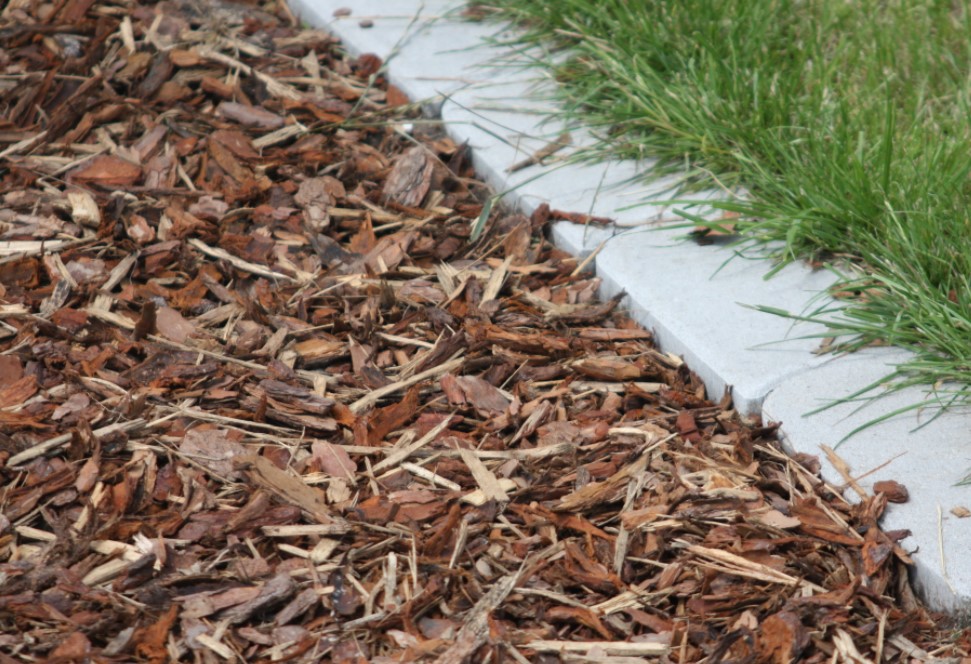
1. Mulching: applying a layer of mulch on the top of all planting beds, trees, and other landscaping features will allow a space to hold water and nutrients for plants. Some considerations to keep in mind are that you will need some sort of border to contain the mulch and you will need to re-much periodically to maintain the beneficial effects.
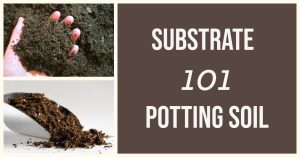
2. Soil Blending: This is more of a temporary solution than mulching. Before planting, you can mix richer, more organic soils (everything from basic topsoils to potting mixes) in with the regular Florida Sand when planting. This will give the plants a good base, to begin with. This soil, however, will still dry out over time and eventually become more like Myakka Fine Sand.
You can supplement after the fact with layers of topsoil, but at that point, you are essentially mulching, but with soil.
There are also ways to adjust your landscaping to better fit the Florida ecosystem:
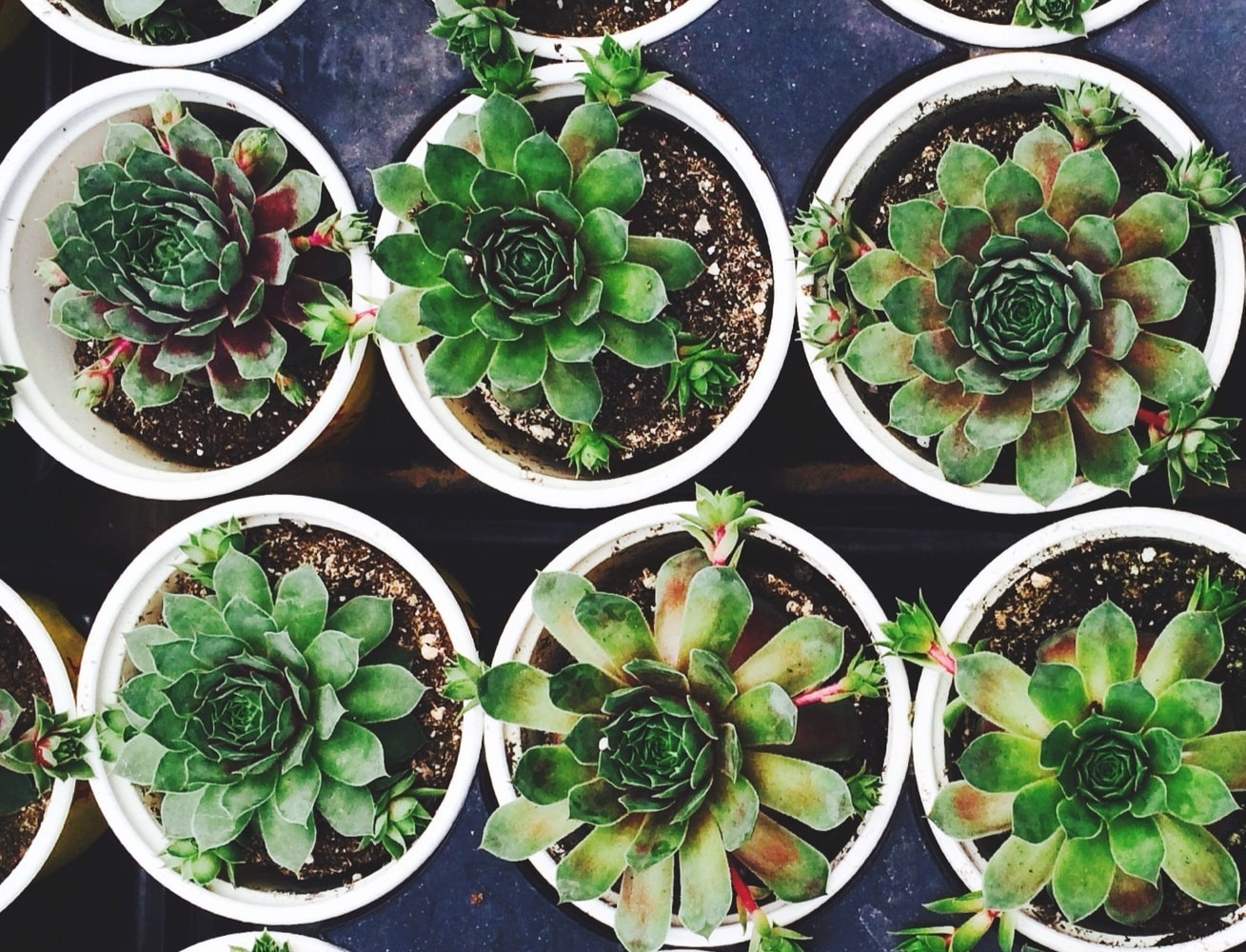
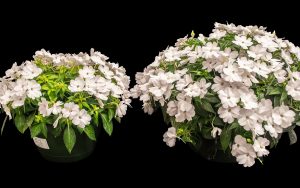
1. Containers: For those plants that require quality soil, consider containers. You can more readily control the soil and nutrients this way. However, the plants will not grow as large, as they will be root bound in the containers.
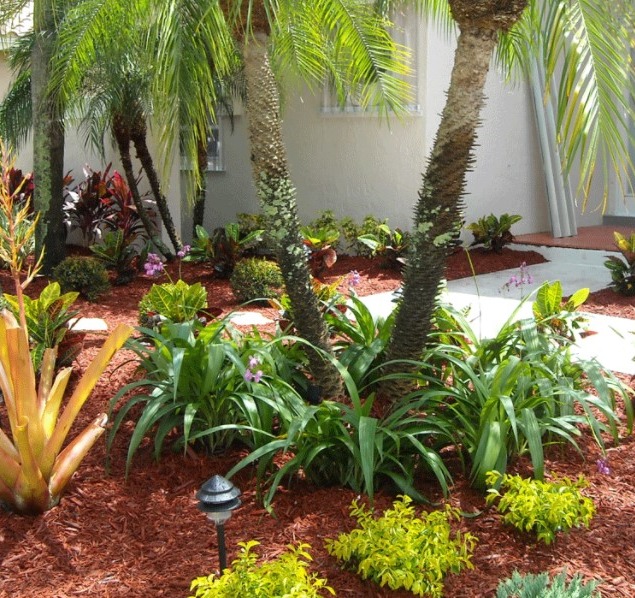
2. Xeriscaping / Florida Friendly Landscaping: There are a number of Florida-friendly plants that you can plant in the ground with some of the techniques above, that will flourish with less maintenance. This might take some searching, but it might be a good solution if it fits your lifestyle.
Florida’s sandy soil profile does produce a unique set of circumstances for those of us wanting to have a green oasis in our yards, but with careful patience and planning, we can easily coexist with “Fine Sand” beneath our feet.