With the temperatures dropping, and rainy days being few and far between, November is a great time to head into your Florida landscape and make it shine! Check out the following crops to plant this month in our guide.
Ornamental Crops to Grow in November:
There are many ornamental crops that can be grown in Florida during the month of November, but we’ve singled out a select few to profile in our guide:
Cape Daisy
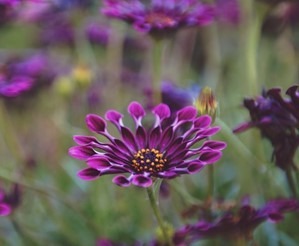
Growing
- Full sun
- Daily watering
- Soil pH 5.6-6.5
- Space seeds 18-24 Inches apart
- Continual blooming until summer
- Quality balanced CRF is recommended with micronutrients (90-120 day longevity)
Amaryllis
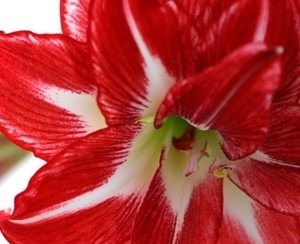
Growing
- Partial sun
- Well-drained soil
- Plant 12-15 inches apart
- Soil pH 6.0-6.5
- Continual blooming until summer
- Quality balanced CRF is recommended with micronutrients (90-120 day longevity)
Edible Crops to Grow in November
There are many edible crops that can be grown in Florida during the month of November, but we’ve singled out a select few to profile in our guide:
Broccoli
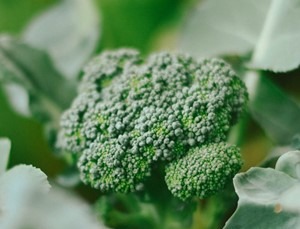
Growing
- Takes 80-100 days to grow
- Requires fertilization throughout its growth cycle, so a quality balanced CRF is recommended (90-120 day longevity)
- Full sun required
- 1-2 heavy waterings per week
- Ideal soil pH of 6.2 to 6.5
Harvesting
- The broccoli must have a large head that is firm and tight
- The head size, in general, should be between 4 and 7 inches
- The size of the individual florets or flower buds on the outside edge become the size of matchsticks
- The color should be a deep green
- Cut the head off at the stem approximately 5 inches down, with a sharp knife, try to avoid sawing.
Strawberries
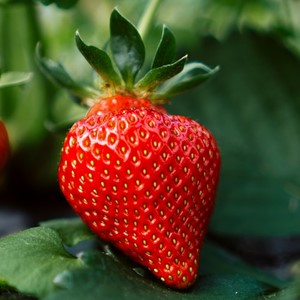
Growing
- Full sun required
- Soil should be well-drained and pH of 5.5-6.5
- Balanced NPK CRF including all micronutrients (120-180 Day Longevity)
- Protect from freezing temperatures by covering in sheets or blankets
- Plant in double rows that have been mounded into raised beds
- Plastic sheeting can be used for weed control but will accelerate CRF release
Harvesting
- 90-110 Days to harvest from seed
- Strawberries are ready to harvest when three-quarters of the berry’s surface is red
- Any freezing temperatures will prolong the time to harvest
Kale
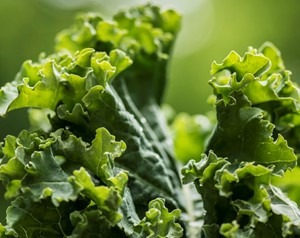
Growing
- Full sun required
- Keep soil moist
- Easy to start from seed or transplants
- Use a Florida friendly variety: Tuscan, Dwarf Blue Curled Vates, Winterbor
Harvesting
- From seed 70-80 Days, from transplant 55-days
- The best leaves are the lowest on the plant
- Kale can be cut back, cleaned, and eaten raw, it will re-grow if properly maintained
- Kale can also be dried for long term storage
Parsley
Growing
- Pre started plants are the easiest to work with, but can be started from seed.
- Seeds take 7-12 days to germinate (soaking in water overnight before planting helps)
- Plant 6 inches apart
- Partial shade required
Harvesting
- Optimum time for harvest is 70 to 90 days
- Snip starting with the outside stalks first, and at ground level
- Use immediately, pat dry, and store in an airtight container or freeze
Sage
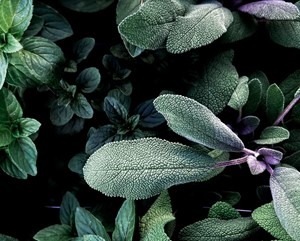
Growing
- Pre started plants are the easiest to work with, but can be started from seed.
- Space sage plants 18 to 24 inches apart
- Seeds take 10-21 days to germinate
- Keep top of the soil moist
- Full sun required
Harvesting
- Optimum time to harvest is approximately 75 days
- For fresh use pick off leaves as needed
- For storage cut off stems that are at least 6-8 inches long, bundle and dry before storing
Thyme
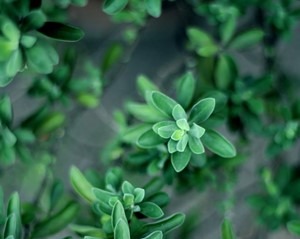
Growing
- Easy to start from seed
- Space thyme plants 18 to 24 inches apart
- Full sun required
- Occasional watering, dry soil, prone to root rot
Harvesting
- Trim back the most recent growth leaving the newest 5-6 inches
- Use fresh, or bundle and dry for storage