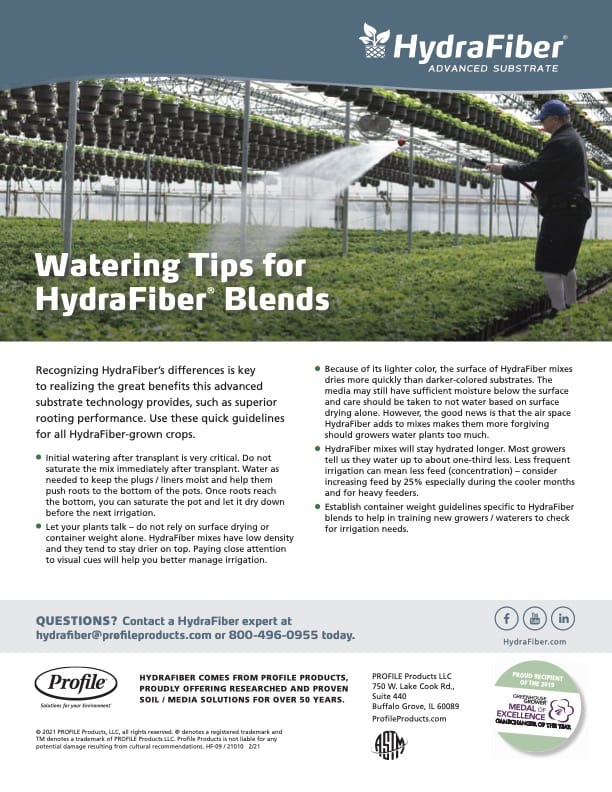
Recognizing HydraFiber’s differences is key to realizing the benefits this advanced substrate technology provides, including superior rooting performance for HydraFiber-grown crops. The guidance emphasizes how critical initial watering after transplant is and advises against saturating mixes too early, instead keeping plugs and liners moist to drive roots to the bottom of containers before full saturation and dry-down cycles. Growers are reminded not to rely solely on surface drying or container weight, since HydraFiber mixes are lighter, appear drier on top, and stay hydrated longer. Recommendations include adjusting feed rates with less frequent irrigation and establishing container weight guidelines specific to HydraFiber blends.
Key Points
- Initial watering after transplant is very critical; do not saturate the mix immediately, but water as needed to keep plugs/liners moist and help roots reach the bottom before full saturation and dry-down between irrigations.
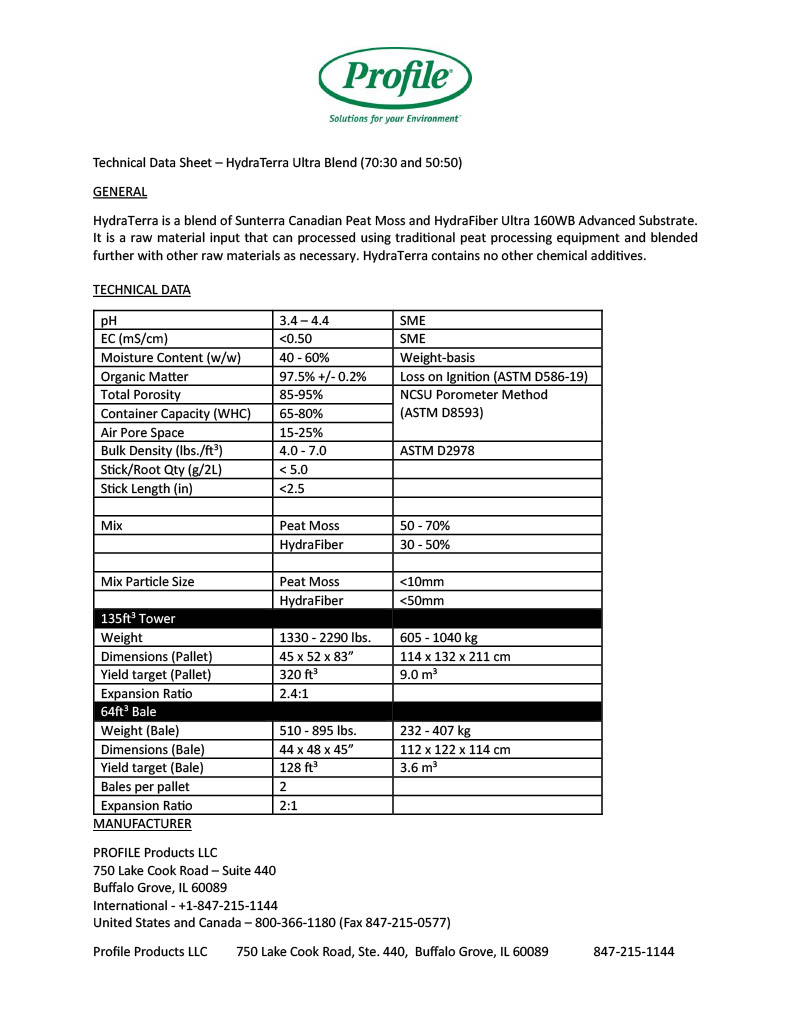
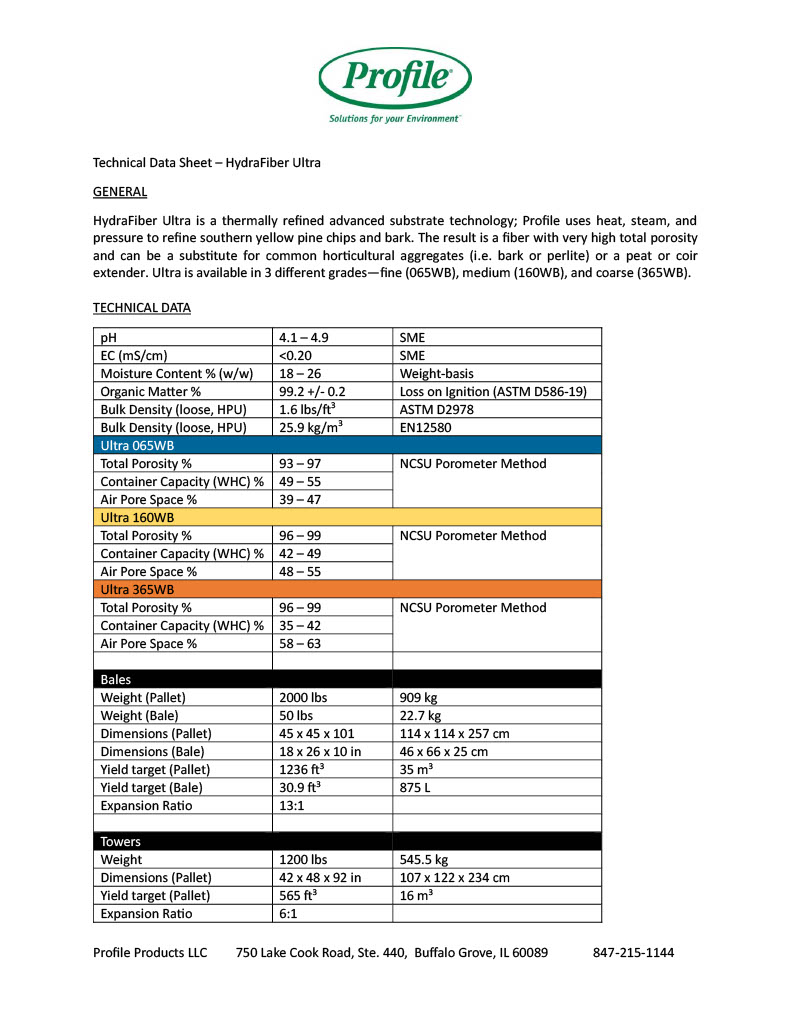
- HydraFiber mixes have low density, tend to stay drier on top, and feature a lighter surface color, so growers should not rely on surface drying or container weight alone and should pay close attention to visual cues.
- The air space HydraFiber adds to mixes makes them more forgiving if plants are watered too much, and the mixes will stay hydrated longer, with most growers watering up to about one-third less.
- Less frequent irrigation can mean less feed (concentration), so growers should consider increasing feed by 25% during cooler months and for heavy feeders, and establish container weight guidelines specific to HydraFiber blends.