Vegetative and Erosion Control Solutions for Solar Sites
Achieving sustainability goes beyond renewable power generation. Site performance is reliant on establishing a design-build plan that includes interconnectivity to the natural environment. Solar projects frequently face compliance hurdles for stormwater and erosion control. Profile is here to guide you over these hurdles.
Understanding Challenging Environments
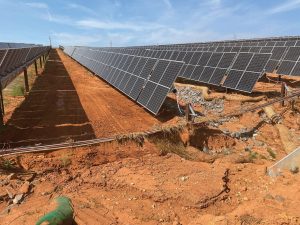
Environmental factors can pose significant challenges to developers, operators, and construction partners of utility-scale solar sites, including hindering operations, causing construction delays, and potentially resulting in greater costs.
Profile Products offers the first-of-its-kind Integrated Mitigation Program for Assessment of Climate, Topography, and Soils (PV-IMPACTS), a comprehensive analysis of environmental risk mitigation and sustainable solar development. Utilizing geospatial factors, PV-IMPACTS remotely assesses erosion, soil health, regulatory and interrelated environmental inputs for existing and planned projects.
PV-IMPACTS empowers stakeholders such as utilities, developers, EPCs, and consultants to proactively identify potential concerns and address them through proper erosion control, stormwater management, and vegetation establishment best practices. The geospatial resource identifies additional project-specific risks and opportunities to facilitate community acceptance, regulatory compliance and empower informed decision-making for sustainable and cost-effective solar development.
| Key Capabilities | Utilize PV-IMPACTS to: |
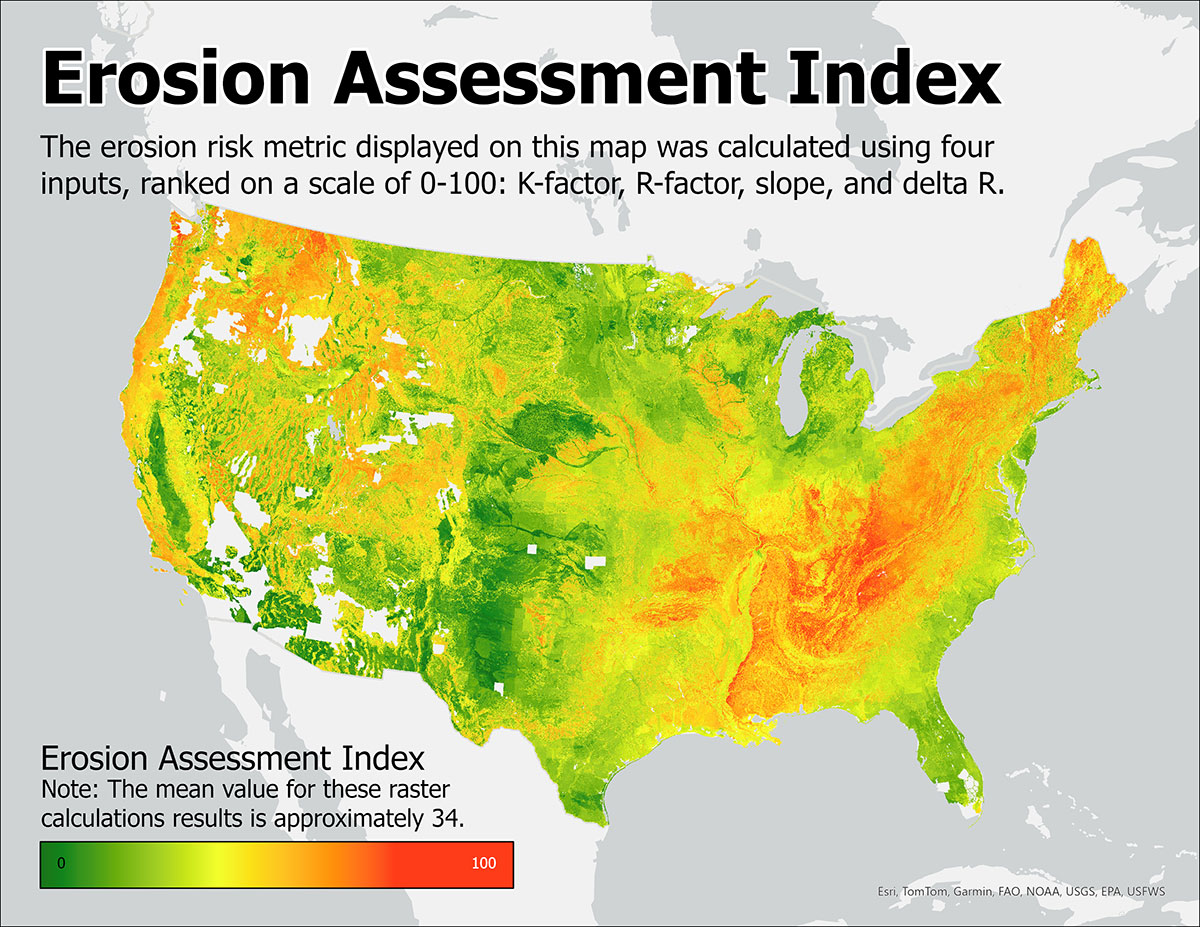
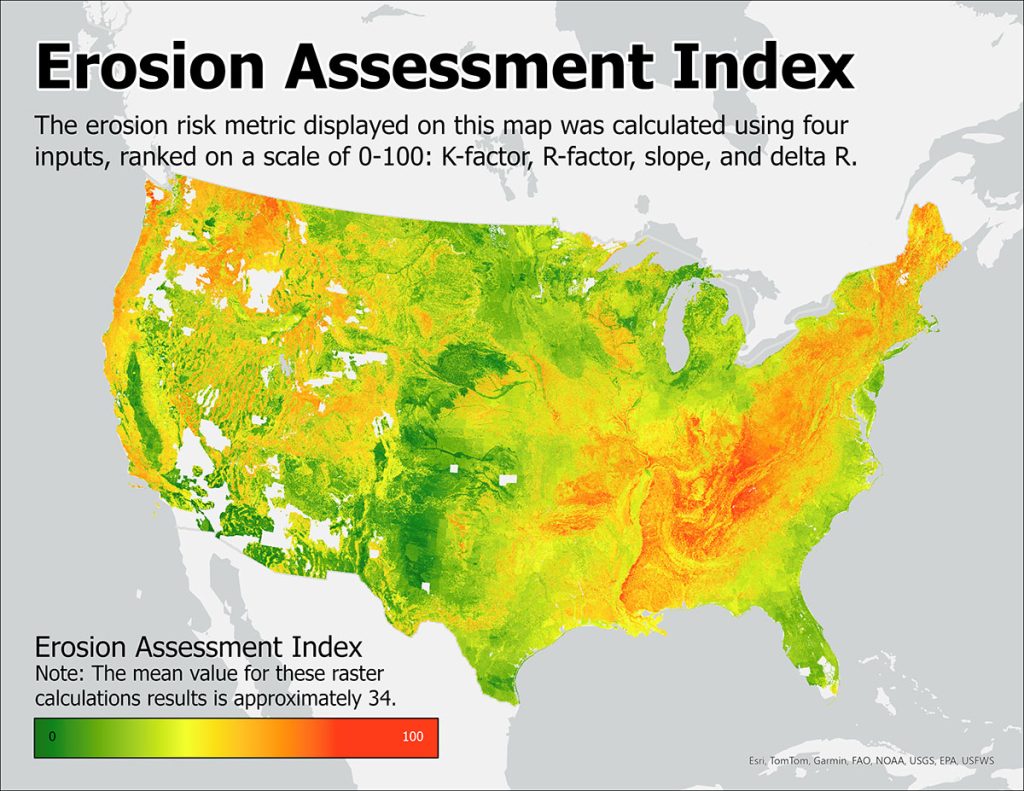
| • Erosion Risk Index: This custom-built index combines four key industry-validated drivers of erosion and stormwater runoff: rainfall erosivity, soil erodibility, slope gradient, and changes in rainfall erosivity due to climate change. Each factor is weighted and normalized on a 0-100 scale, providing a clear risk assessment value for each site. • Soil Health Risk Index: This index assesses the site’s overall soil health by analyzing soil pH, soil organic matter (SOM) content, and sodium adsorption ratio (SAR). These factors influence nutrient uptake, soil moisture absorption, vegetation management, and runoff rates. • Additional Risk & Opportunity Assessments: PV- IMPACTS offers insights to factors like flood potential, proximity to protected areas, and regulatory considerations. It also identifies opportunities for establishing native plant and pollinator habitats, quantifying potential cost savings and ecological benefits. | • Create an accurate assessment of the climactic, topographic and agronomic challenges facing the site. • Mitigate erosion risk to operations, equipment and transmission infrastructure. • Improve soil health to support sustainable vegetation establishment and reduce surface temperature for optimal photovoltaic performance. • Revitalize and reclaim Brownfield Sites that face unique challenges and enhance public acceptance. • Empower economic opportunities by utilizing pollinator-friendly native vegetation to potentially reduce maintenance costs and benefit surrounding agricultural communities. |