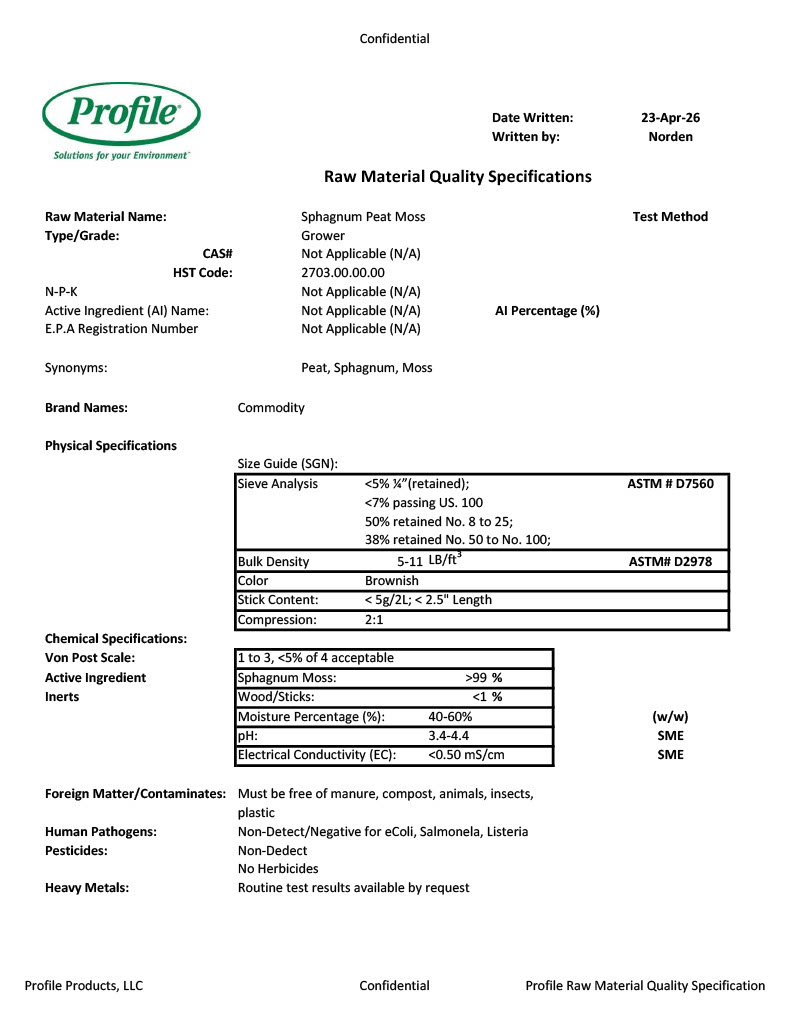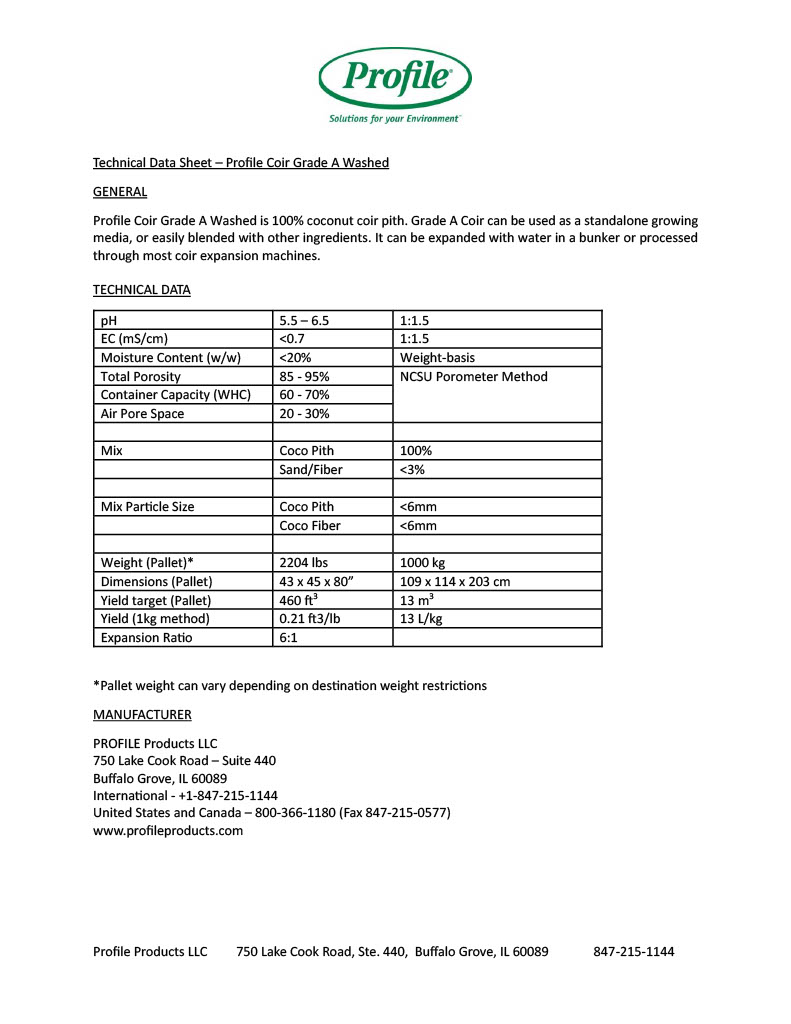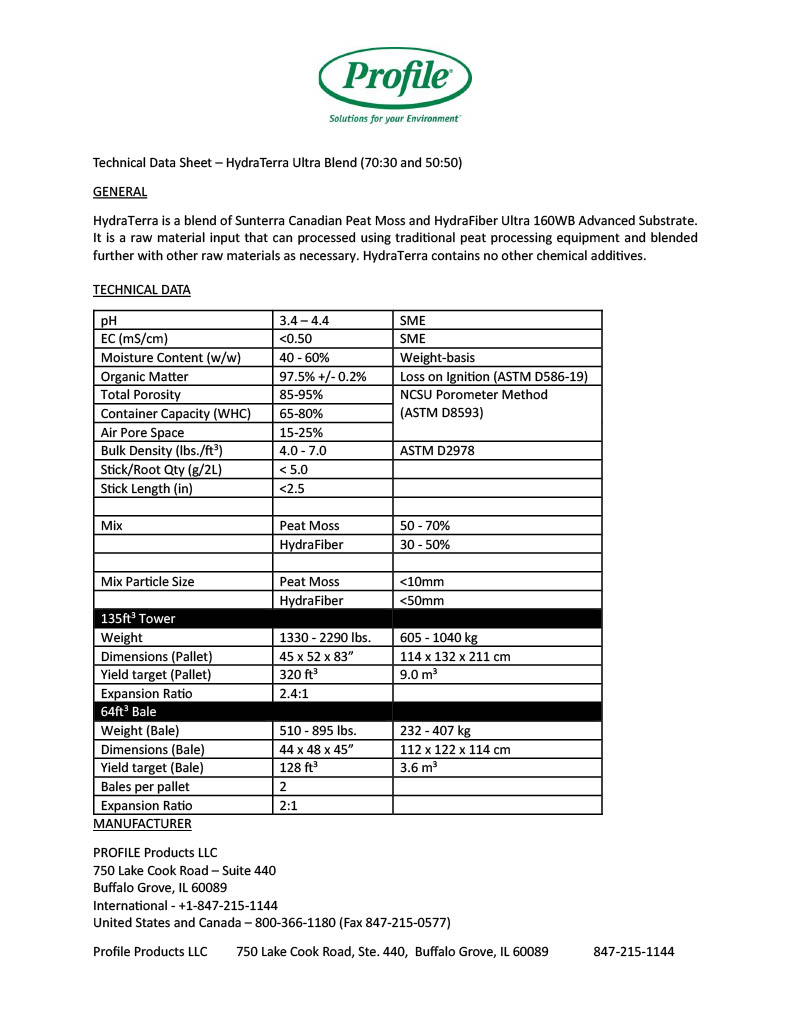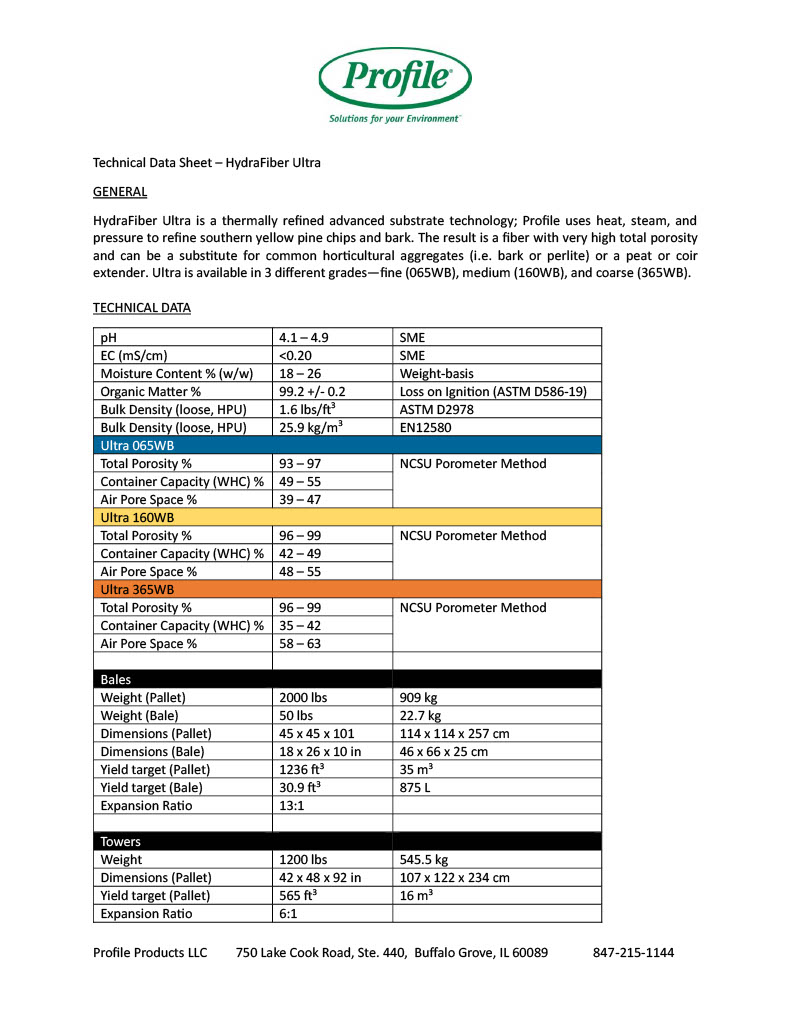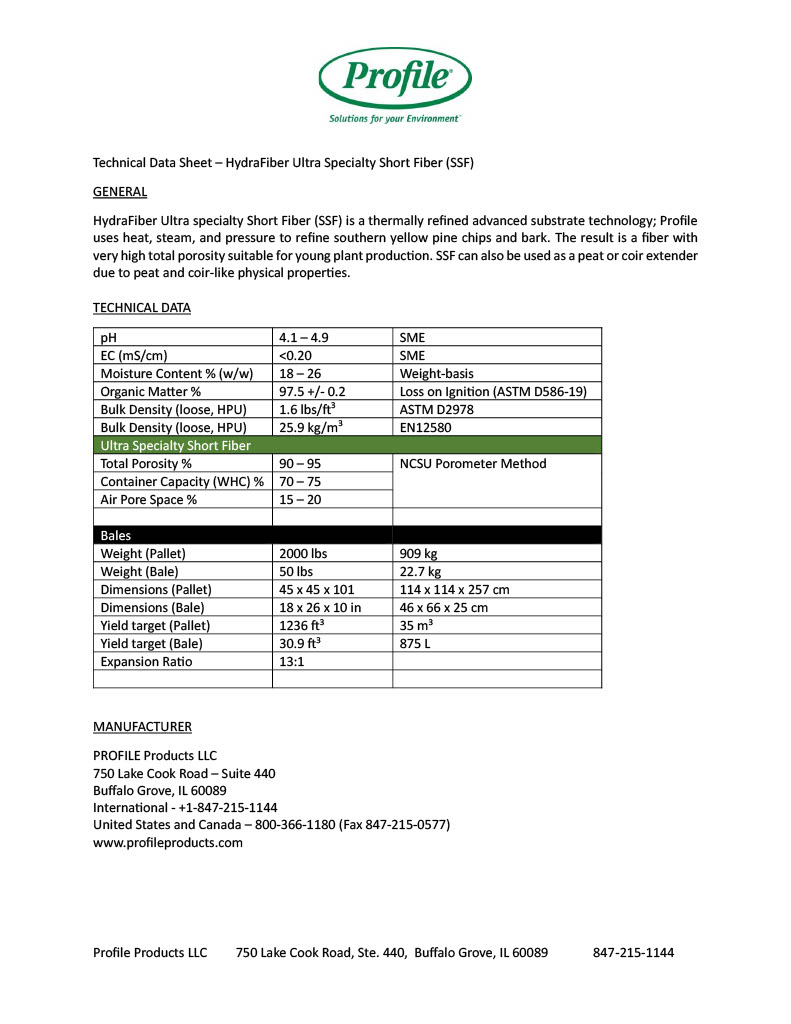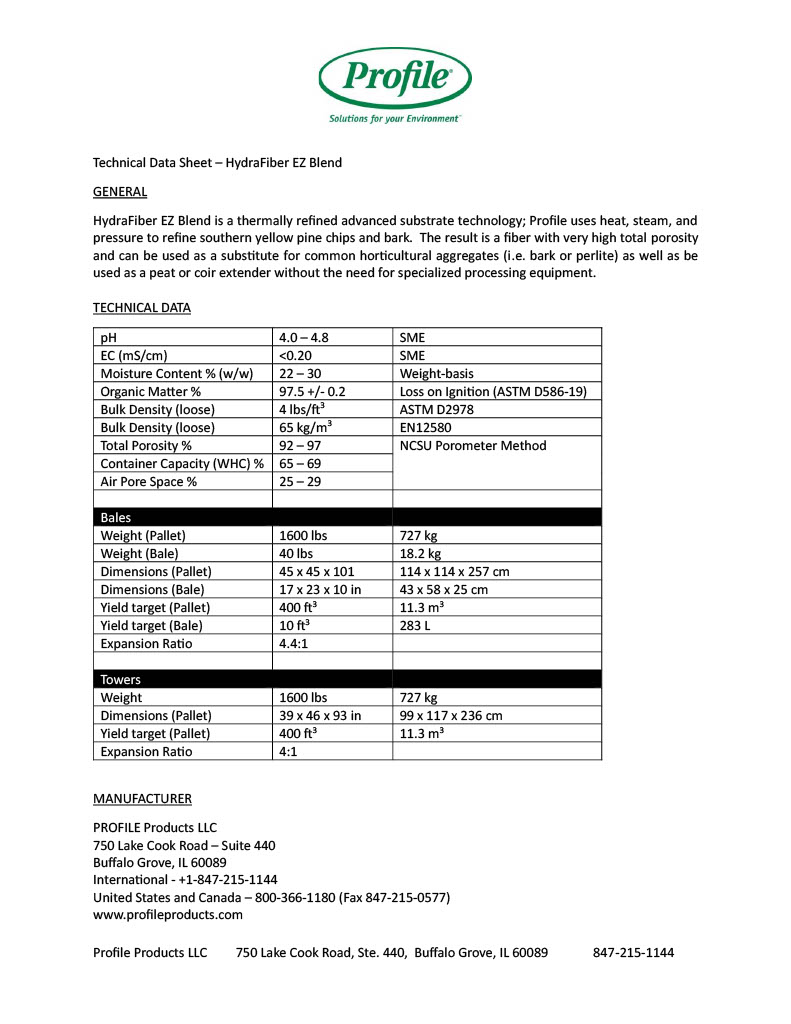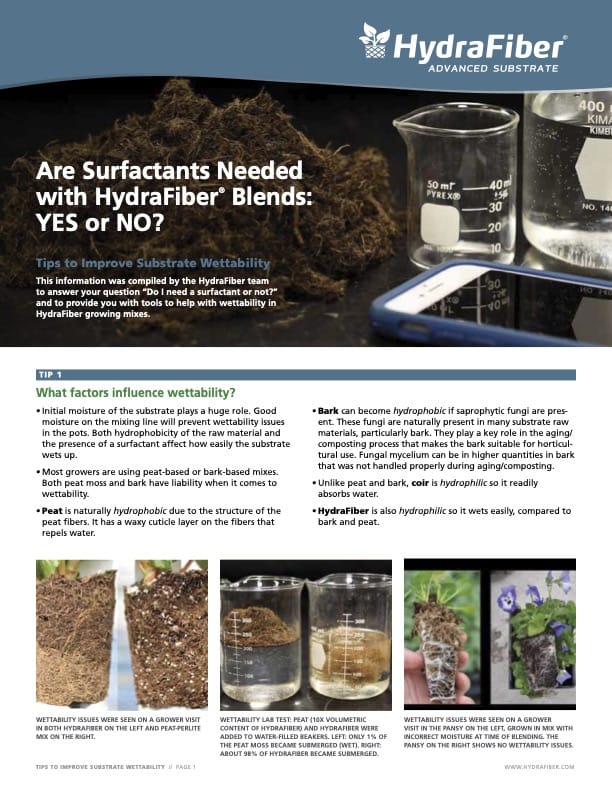
HydraFiber is hydrophilic and wets more easily than peat and bark, but peat- or bark-based components still largely determine overall mix wettability. Managing initial moisture at blending is critical, with bark at approximately 55% to 60% moisture and peat at around 60% to 65% to wet uniformly without a surfactant. Growers using HydraFiber at less than 50% in peat- or bark-based substrates are advised to incorporate a surfactant, while coir-based mixes are not. The piece outlines surfactant benefits, incorporation options, and practical QC tools—moisture scale, squeeze test, and float test—to diagnose mix moisture and avoid re-wettability issues in production.
Key Points
- Initial substrate moisture strongly influences wettability; peat is naturally hydrophobic, bark can become hydrophobic, while coir and HydraFiber are hydrophilic and wet more easily.
- For growers using HydraFiber at less than 50% in peat- or bark-based substrates, a surfactant is recommended; bark should be approximately 55% to 60% moisture and peat around 60% to 65% to wet uniformly without one.
- Surfactants can improve wetting and rewetting cycles, reduce spot watering, enhance wetting uniformity and shelf life, and improve drainage; these benefits are based on manufacturers’ information, not claims by Profile Products.
- The resource recommends adding surfactant at blending and using QC tools—the moisture scale, squeeze test, and float test, where properly saturated mix sinks in approximately 30 seconds or less and mixes taking more than 60 seconds are too dry.