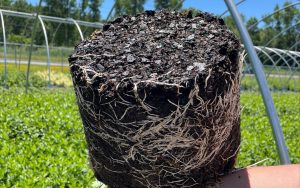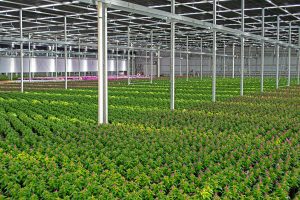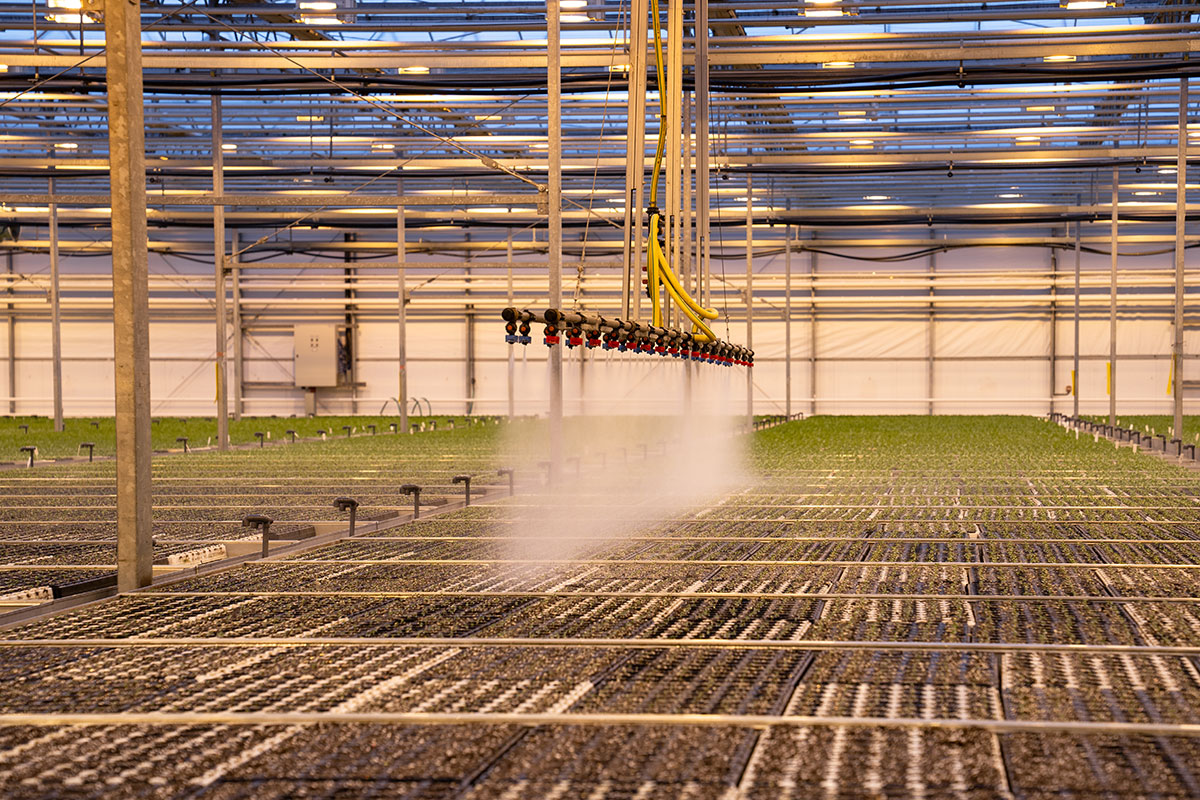
HydraFiber blends require slightly different irrigation management to unlock their advanced substrate technology and support superior rooting performance. Key practices include managing initial watering after transplant, monitoring crops beyond surface drying or container weight, and adjusting feeding as needed. Because HydraFiber mixes are lighter in color and lower in density, surfaces can appear dry while moisture remains below, and mixes typically stay hydrated longer, with most growers reporting they water up to about one-third less. Watching plant cues and establishing HydraFiber-specific container weight guidelines help fine-tune irrigation and support training for new waterers.
Key Points
- Initial watering after transplant is very critical; do not saturate the mix immediately. Water as needed to keep plugs/liners moist and help roots reach the bottom before saturating and allowing dry-down between irrigations.
- Let plants “talk” rather than relying on surface drying or container weight alone, since HydraFiber mixes have low density and tend to stay drier on top.
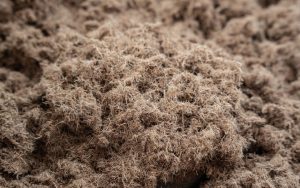
- Because of its lighter color, the surface of HydraFiber mixes dries more quickly while media below can still hold sufficient moisture, and the added air space makes mixes more forgiving if plants are watered too much.
- HydraFiber mixes will stay hydrated longer, with most growers watering up to about one-third less; less frequent irrigation can mean less feed, so consider increasing feed by 25% during cooler months and for heavy feeders, and establish container weight guidelines specific to HydraFiber blends.