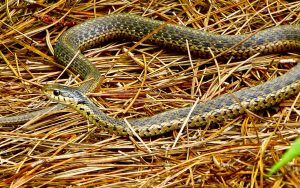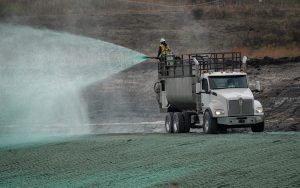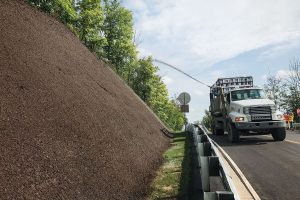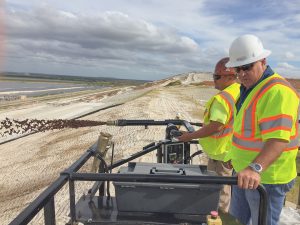
Erosion Control Matting (ECM) is widely used on construction projects to protect soil from erosion, retain sediment and stabilize seed and soil, but some products containing plastic netting or plastic monofilament mesh have been found to entangle wildlife, including reptiles, amphibians, birds and small mammals. Temporary erosion and sediment control products are often left in place permanently, and degrading plastic netting may create additional hazards when fragments are blown or washed into waterways. The update notes acceptable, cost effective biodegradable products that may fulfill erosion control functions without persisting in the environment and stresses the need for more information on species risk, entanglement and mortality on public lands.
Key Points
- A variety of manufactured ECM products may protect soil from erosion or trap eroded sediment, but those containing plastic netting or mesh have been found to entangle wildlife, including reptiles, amphibians, birds and small mammals.
- Temporary erosion and sediment control products are designed to degrade after a period of time, but several are commonly left in place permanently, and when plastic netting degrades, plastic fragments may be blown or washed into waterways.
- Acceptable, cost effective biodegradable products exist that may fulfill erosion control functions and do not persist in the environment and certain management practices can reduce the need for non-biodegradable products.
- Vermont, Washington and Ontario, Canada have cautioned, curtailed or prohibited the use of non-biodegradable ECM due to risk and mortality to species including amphibians and reptiles, birds, other small mammals, and additional knowledge is needed on species risk, entanglement/entrapment and mortality on National Forest System and other public lands.